When Grief Gets Stuck
It's been two years. Or five. Or twelve. And something about this loss still hasn't settled.
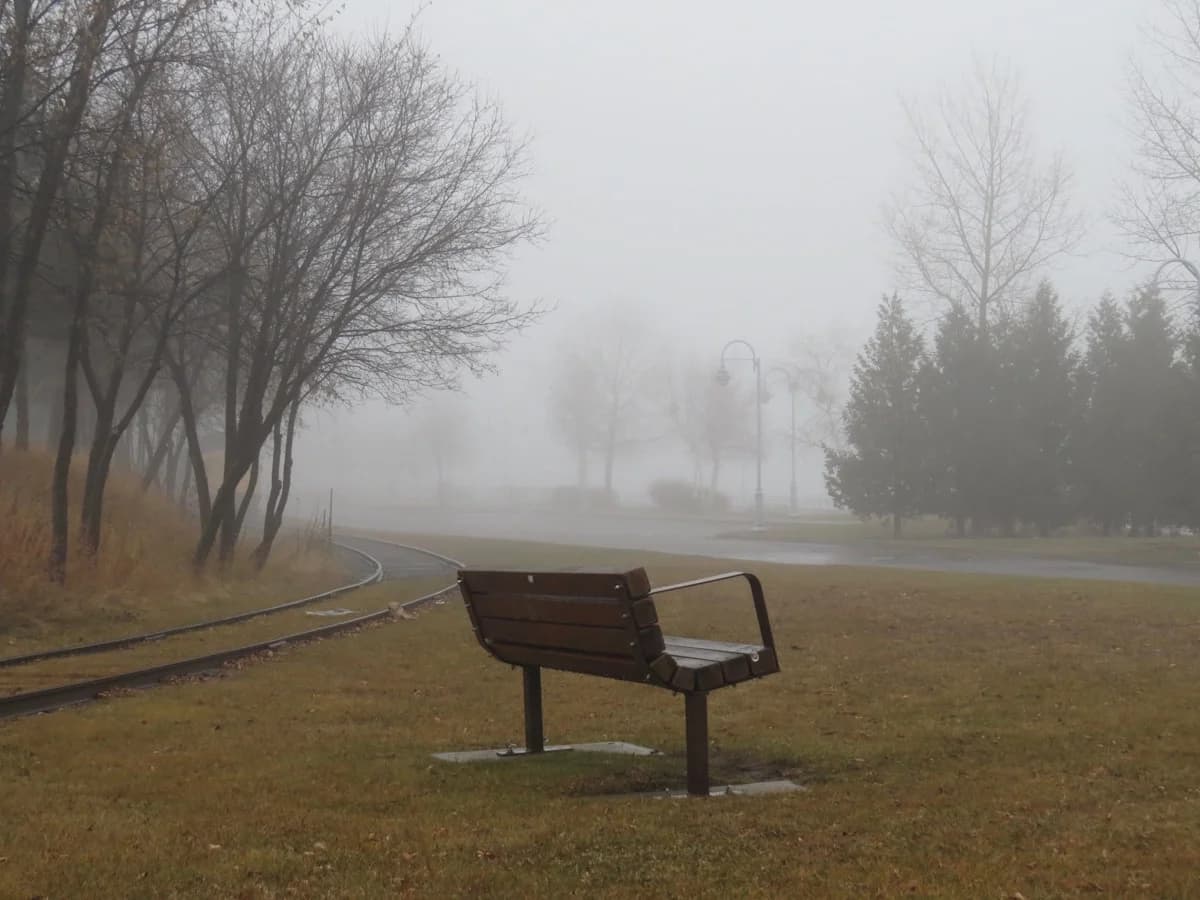
Photo by Jaime Dantas on Unsplash
In this article
It's been two years. Or five. Or twelve. And something about this loss still hasn't settled.
Not the sharp, fresh grief that people understand and make allowances for. This is something quieter, more persistent. A weight you've learned to carry so well that most people don't notice it's there. You function. You work, socialise, get through the days. But something is stuck, and you can feel it.
You've probably told yourself you should be over it by now. That grief has a shelf life and yours has expired. That other people lose parents, partners, friends, and seem to move through it. What's wrong with you that you can't?
Nothing is wrong with you. Your grief may be stuck, and there may be reasons for that.
What "stuck" actually means
Grief isn't a process with a beginning, middle, and end, no matter how many stage models try to make it one. But it can have a quality of movement to it when it is allowed to move. You feel it, you cry, you rage, you remember, and gradually - very gradually - the loss takes its place in your life rather than consuming it.
When grief gets stuck, that movement stops. You're not processing - you're circling. The same thoughts, the same guilt, the same conversations you wish you'd had. Or worse, nothing at all. A numbness where grief should be, an absence you can't explain because surely you should be feeling something about this.
Stuck grief doesn't always look like sadness. Sometimes it looks like irritability that has no obvious source. Sometimes it looks like physical symptoms your GP can't explain. Sometimes it looks like an inability to make decisions, or a strange flatness that settled over your life around the time of the loss and never quite lifted.
You might not even connect it to the loss anymore. It's just how things are now.
Why grief gets stuck
Grief can stick for understandable reasons, even when they're not immediately obvious.
The relationship was complicated. This is the most common one. When someone dies and the relationship was ambivalent - when you loved them and resented them, needed them and were angry with them - grief becomes tangled with guilt. You can't grieve cleanly because the feelings about the person were never clean. How do you mourn someone you're still furious with? How do you miss someone who hurt you?
So the grief goes underground. It can resemble or feed a low-grade depression, a persistent anxiety, a vague sense that something is unfinished. Because it is unfinished. The relationship ended before it could be resolved, and now it never will be.
Or there's guilt. You said something you can't take back. You weren't there at the end. You felt relief when they died - relief that the suffering was over, or relief that yours was. And the guilt about the relief is worse than the grief itself.
Or the loss was never acknowledged. Miscarriage. Estrangement. The death of someone you weren't supposed to care about - an ex-partner, a colleague, someone the world tells you wasn't close enough to grieve for. Grief without social permission has nowhere to go.
Or you never stopped long enough to feel it. The funeral was organised, the admin was done, the children were cared for, life continued. You were so busy holding everything together that the grief got postponed indefinitely. It's still waiting, years later, in exactly the place you left it.
The losses that aren't death
Grief isn't reserved for funerals. Some of the hardest grief is for things that never happened.
The childhood you didn't get. The parent who was there physically but absent in every way that mattered. The relationship that ended not with a death but with a slow withdrawal, leaving you grieving someone who's still alive. The career that didn't work out. The life you imagined and didn't get.
These losses are harder to grieve because there's no clear event, no socially recognised moment of loss. You can't point to a date and say "this is when it happened." It happened gradually, or it was always happening, and you didn't have words for it until years later.
And because nobody else recognises these as losses, you don't quite allow yourself to either. So the grief sits there, unnamed and unprocessed, showing up as a heaviness you can't account for.
What happens in therapy
The work isn't about getting over anything. It's not about acceptance, at least not in the way that word is usually meant - a calm resignation that everything happened for a reason.
It's about giving the grief somewhere to go. Saying the things you couldn't say at the time. Feeling the anger you weren't allowed to feel. Admitting the relief you've been ashamed of. Letting the loss be as complicated as the relationship was.
Sometimes people cry in therapy about a loss for the first time, years after it happened. Not because they didn't care, but because they'd never been in a space where all of it was allowed - the sadness and the fury and the guilt and the love, all at once, without having to tidy it into something presentable.
This isn't about closure. I don't believe in closure. What happened, happened, and it changed you. But grief that moves through you is different from grief that's stuck inside you. One becomes part of who you are. The other just weighs you down.
If this is you
You don't need to arrive knowing what the grief is about. Sometimes the stuckness is all you know - a flatness, an irritability, a sense of something unfinished. That's enough to begin.
The work is slow, and it asks you to feel things you've been avoiding, sometimes for years. But the alternative is carrying something that gets heavier the longer you don't look at it.
Grief doesn't dissolve. But it can move, when it's given the chance.