I'm on Summer break from 15th August to 6th September. I'll respond to enquiries on my return.
Online therapy for expats
Therapy in English for expats in Berlin
You may have left to escape something. Berlin promised room to breathe, even reinvention. So why does freedom feel like another kind of trap?
The paradox no one mentions
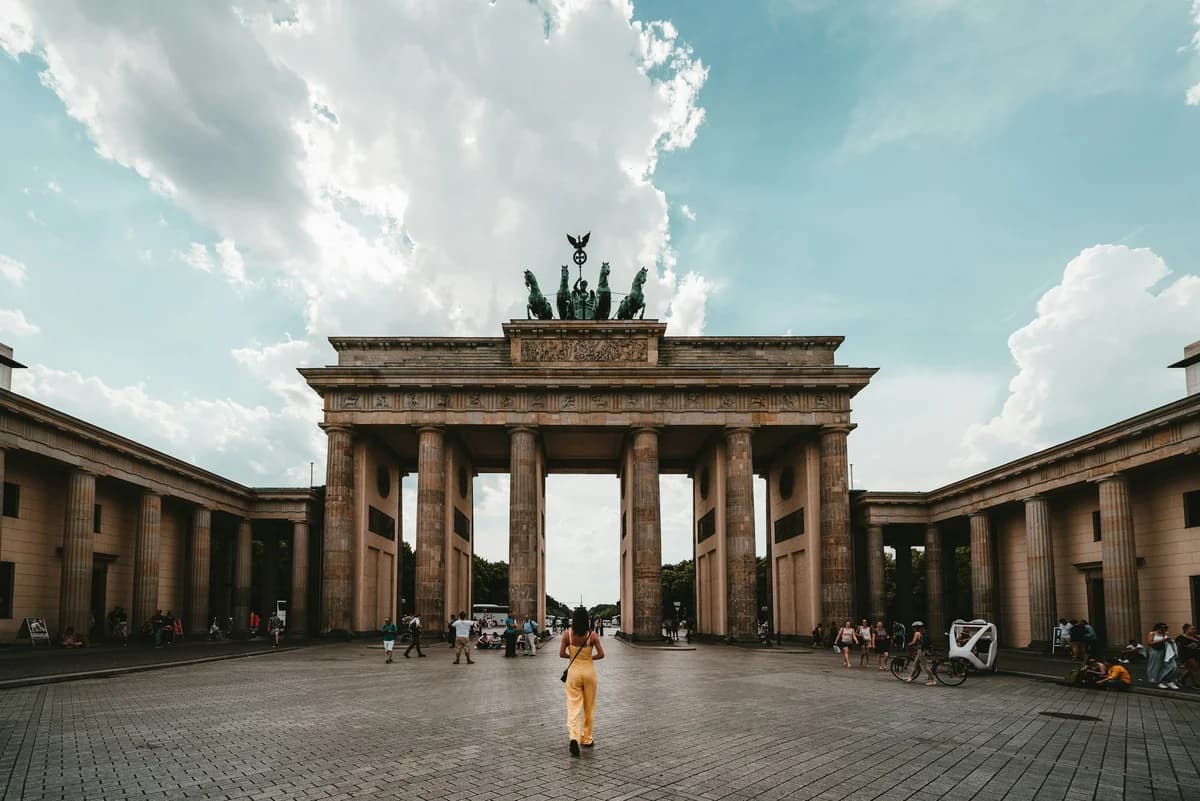
Berlin attracts people running toward something and away from something in equal measure. What nobody tells you is that infinite possibility can become its own kind of trap.
Three years in, you're still explaining to people back home that you're "working on projects." Still in a WG because committing to your own flat feels too permanent. Still going to the same parties in Neukölln where everyone's having the same conversations about authenticity whilst secretly wondering if this is just an expensive way to avoid growing up.
The freedom you came for may have become part of what keeps you stuck.
Berlin strips away illusions faster than anywhere else. Without the familiar structures of home, the career ladder, the social expectations, the people who've known you since school, you're left with just yourself. And sometimes what you find there isn't what you expected:
- The winter that lasts from October to April and makes getting out of bed feel heroic
- The social scene that's simultaneously hyperconnected and utterly superficial
- The reality of being at Berghain surrounded by people yet feeling completely invisible
Meanwhile, people back home are buying houses and having babies whilst you're explaining why you're still "figuring things out" at 32. The gap between where you thought you'd be and where you actually are becomes impossible to ignore.
When exploration becomes avoidance
You may be surrounded by other people who are also avoiding major life decisions, which can make it feel normal until you step back and wonder whether everyone is collectively postponing something. The club scene that seemed liberating can become a way to numb the growing anxiety about whether you're wasting your life. The creative community can start feeling like a mutual performance where everyone's pretending their situation is temporary whilst years slide past.
And beneath it all, a question you keep not asking: at what point does "finding yourself" just become a way of never committing to anything?
The problem may not be that you haven't figured out what you want. It may be that not knowing has become an identity.
"I'm still exploring." "I'm keeping my options open." "I don't want to be trapped."
These feel like wisdom, like refusing to settle for less than you deserve. But at some point, refusing to choose becomes a choice. And it's usually not a particularly good one.
When you can do anything, you can end up doing nothing. When every door is open, you may never walk through any of them. You just stand in the hallway, congratulating yourself on not being trapped in a room. The irony is that you came here to escape feeling stuck, and you may have built a life where being stuck has become your defining feature.
What you're actually running from
This isn't really about geography. It's about what choosing something definitive means.
If you commit to a place, a person, a career direction, you're admitting this is your life. Not the rehearsal. Not the temporary situation until you figure out what you really want. This is it. And if this is it, then you have to reckon with all the ways it might not be enough. You might be ordinary. You might be mediocre. You might discover that some of the difficulty came with you.
So you keep moving, keep exploring, keep your options open. Because as long as you haven't chosen, you can't fail. You're not settling, you're not giving up, you're not admitting defeat. You're just... still figuring it out.
Except you might not be figuring it out. You might be avoiding having to.
The exhaustion isn't from the doing. It's from never landing anywhere. From living perpetually in transition. From maintaining the performance of freedom whilst feeling increasingly trapped by it. You can't build anything substantial because you might leave. You can't invest in relationships because they're probably temporary. You can't commit to projects because what if something better comes along.
And beneath all of it, you're lonely. Not the dramatic loneliness of isolation, but the particular loneliness of being surrounded by people whilst never letting anyone properly in.
What psychodynamic therapy actually addresses
This isn't about adjusting to Berlin life or learning to love the city. It's about understanding why choice can feel impossible when you theoretically have infinite options.
Psychodynamic therapy can help you look at what movement protects you from. Not just the external stuff like boring jobs and conventional expectations, but the internal patterns:
- The fear of mediocrity
- The terror of commitment
- The anxiety that choosing one thing means losing everything else
- The belief that your real life will start once you've figured yourself out completely
Often, the thing that feels most liberating, the permission to avoid traditional adult responsibilities, to keep exploring, to refuse to settle, can become the thing keeping you trapped in patterns that stopped serving you years ago. The work is about understanding how freedom can become a prison. How keeping your options open can become a way of never having to risk anything. How "finding yourself" can become a defence against being found wanting.
Part of the work may be accepting that there is no perfect choice. No city where everything clicks into place. No career that feels completely right. No version of yourself that finally, definitively, doesn't need any more work. Choosing something doesn't mean giving up on everything else. It means accepting that life happens in the particular, not the theoretical. That meaning comes from depth, not breadth. That you can't only explore your way into a life that feels real. You have to actually build one.
Why therapy in English matters
You need to be able to express the complexity of feeling simultaneously privileged and miserable, free and trapped, creative and completely unproductive. That requires nuance that's hard to achieve in your second language. You also need someone who understands that gratitude and perspective do not always resolve the problem. Sometimes the freedom you thought you wanted can become its own kind of trap, and pretending otherwise doesn't help.
I'm a UK-trained psychodynamic therapist offering online therapy to expats in Berlin and international clients worldwide, excluding the USA and Canada. This is psychodynamic work, which means we look at patterns rather than just symptoms. Why escape keeps feeling necessary. Why choice can feel impossible. Why freedom might increasingly feel like its own kind of imprisonment.
The details:
- Format: Weekly online sessions (50 minutes) at the same time each week
- Credentials: BACP registered; currently undertaking advanced training at Tavistock Relationships
- Fees: £70 for individual therapy, £100 for couples therapy
- Availability: Worldwide (excluding USA and Canada)
You don't need to have answers or arrive with the right words for what's wrong. You just need to be willing to stop avoiding the questions.
Before you book
You don't need the right words for what's wrong. Tell me where you are, your time zone, and roughly what's going on, and I'll let you know whether I can take you and when we could meet.